Why so many riders choose a Quarter Horse
The American Quarter Horse is one of the most widely kept stock-type breeds in North America. Buyers like it for a practical reason: it is built to do many jobs. The same breed shows up on working ranches, in roping and cutting arenas, on trail rides and in family barns.
What "stock-type" means
Stock-type horses are bred to work livestock. In a listing you will usually see compact, muscular builds, strong hindquarters and a quick, balanced way of moving. Temperament is a big part of the picture: people often look for a horse that stays calm, thinks before reacting and is willing to learn.
Common uses you will see in listings
- Ranch work: gathering, sorting, doctoring and other everyday jobs around cattle.
- Roping and performance: heading, heeling, cutting and reined work.
- Trail riding: varied terrain, water crossings and long, steady days.
- Arena and pleasure: patterns, smooth gaits and good manners.
- Family horse: an even-tempered horse that suits riders of different levels, always depending on the individual.
Colors in the breed
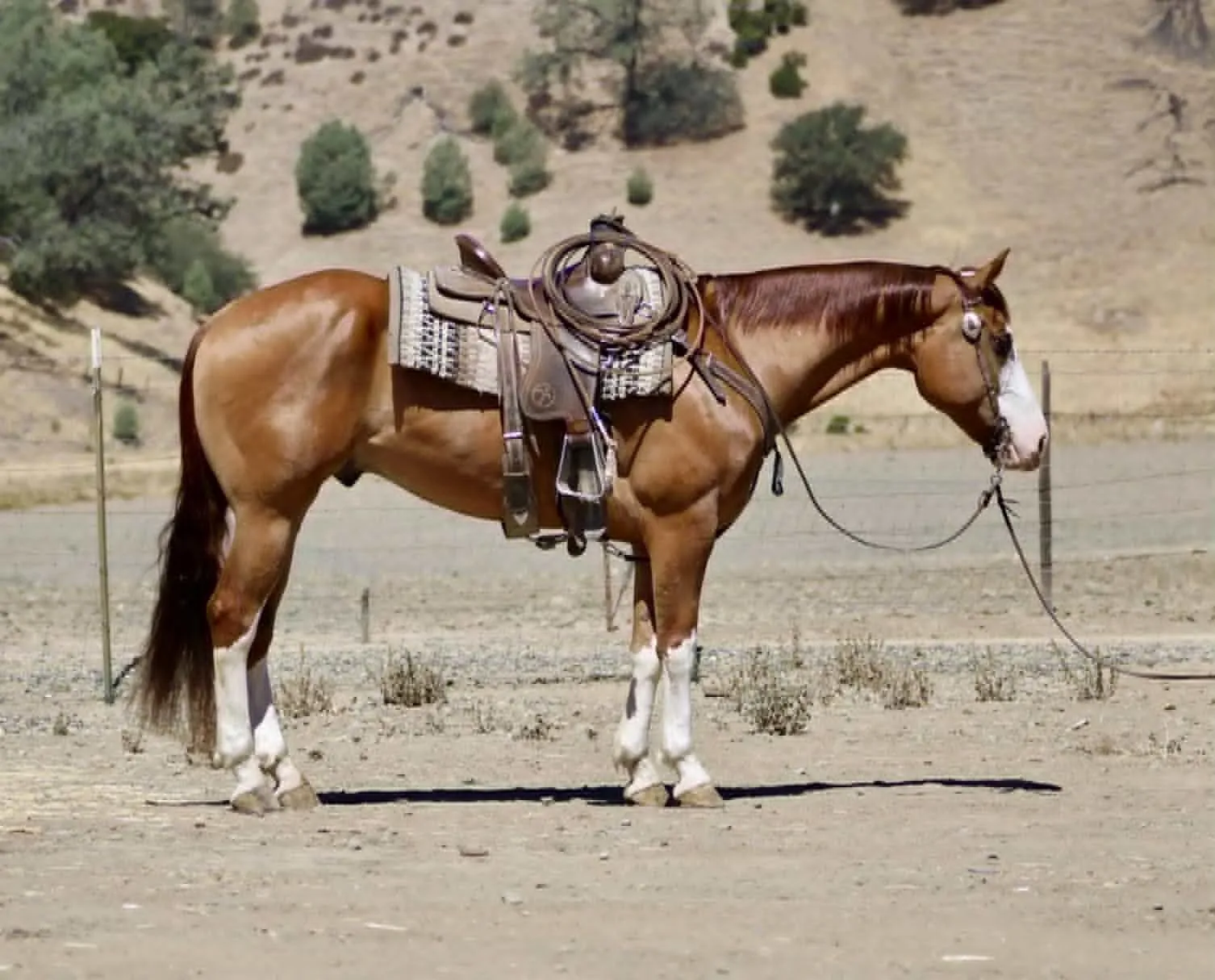
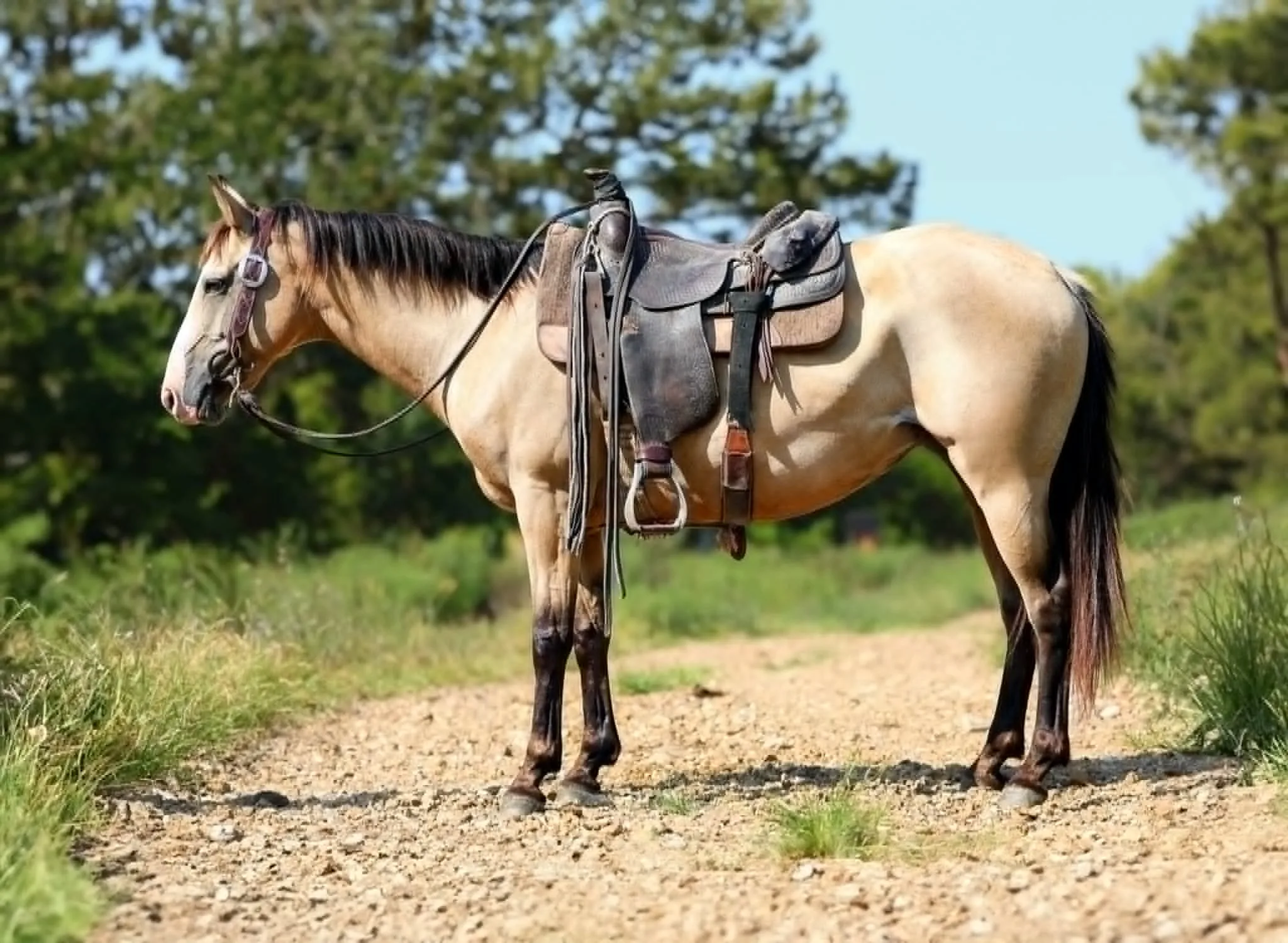
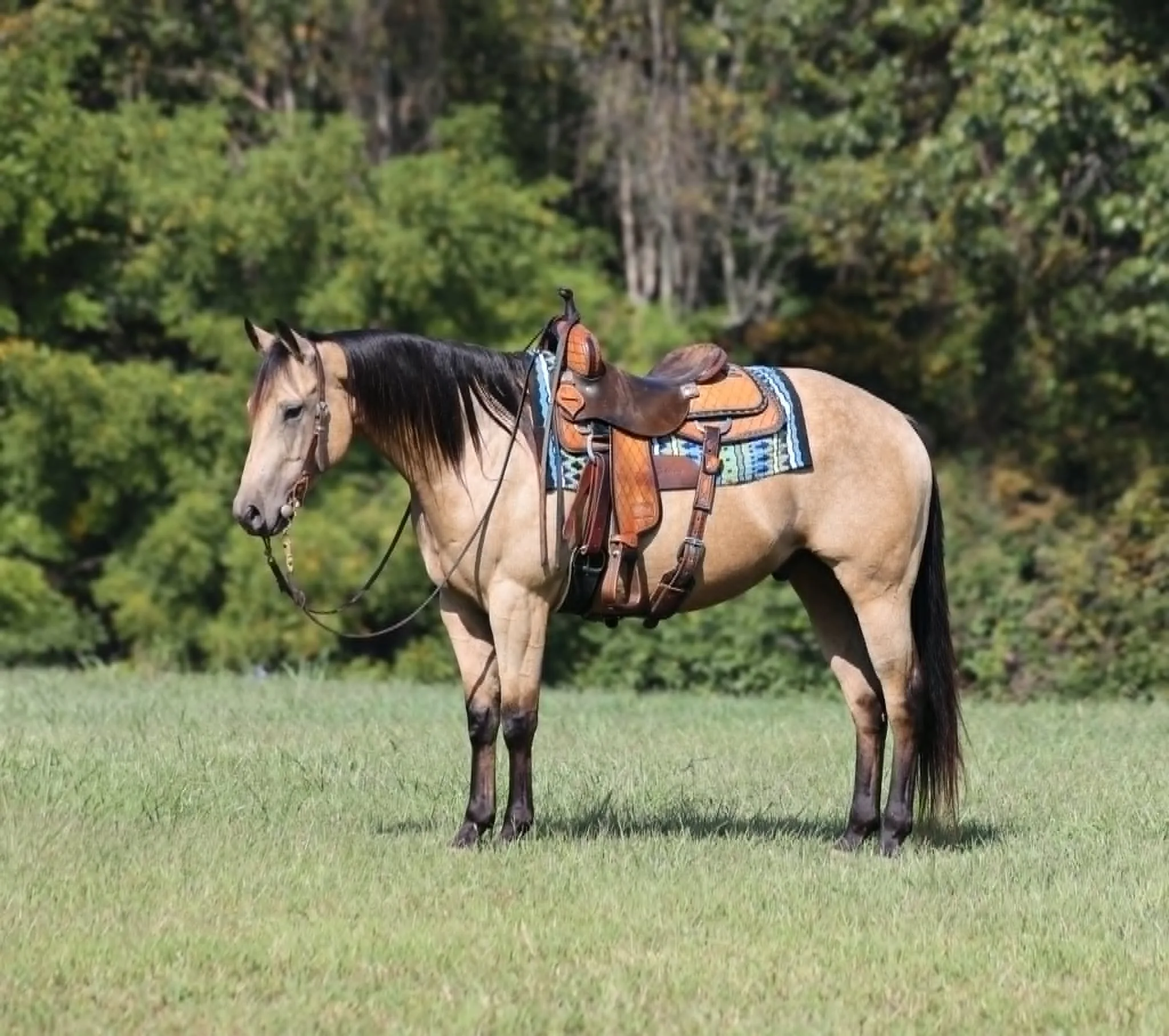
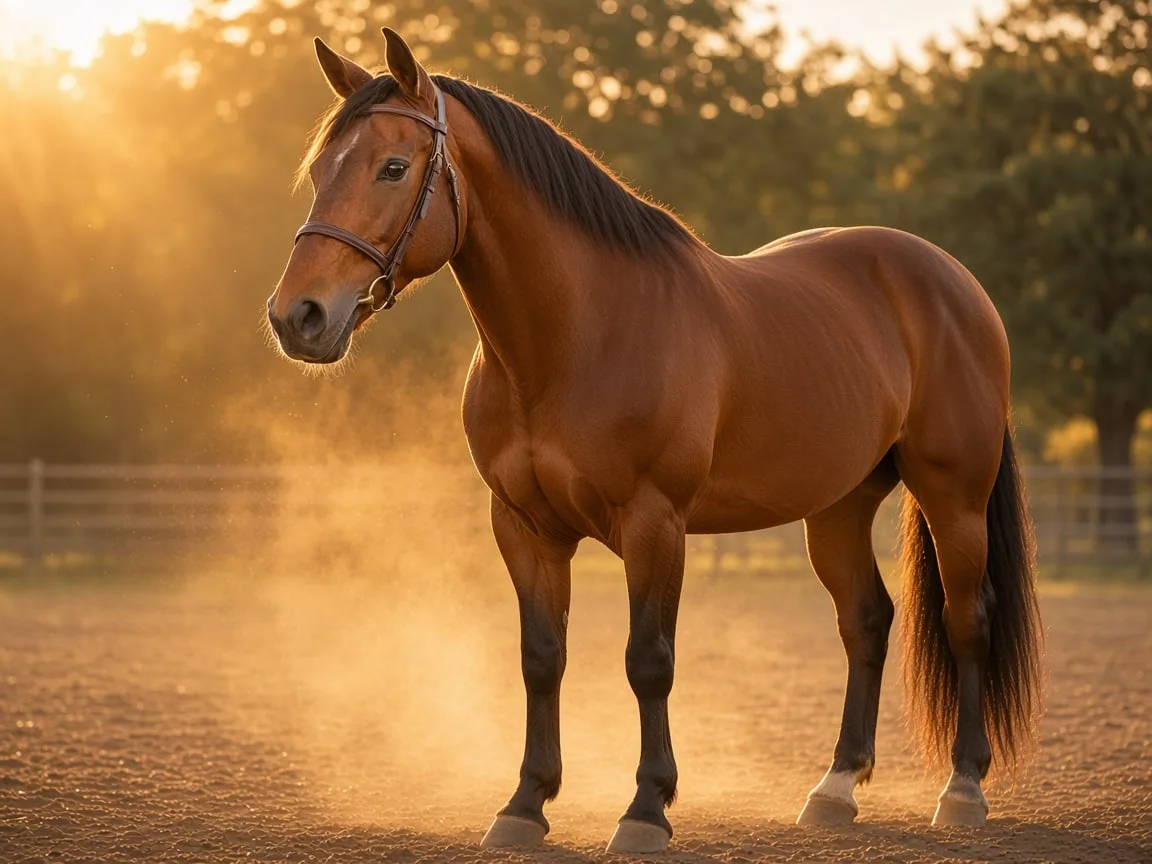
Quarter Horses come in many colors, including bay, chestnut, buckskin, palomino, dun, roan and gray. Our coat color guide explains how these differ. Color tells you nothing about training or temperament, so judge the horse, not the coat.
Registered or not registered
A registered Quarter Horse has papers with the breed registry (AQHA). Registration documents parentage and identity; it does not tell you how a horse rides. Listings that say "registered" should let you ask for the registration name and number. Unregistered horses can be excellent riding horses, so decide how much registration matters for your goals, such as showing or breeding.
How to use this guide with our horses
Every horse on this site states breed, age, height, color, markings and registration status where known. Browse our Quarter Horses for sale and read each profile for what we know about training and temperament. For tips on reading the numbers, see how to read a horse listing.
Before you buy
Ask about the horse's history, arrange a visit or ask for more photos, and consider a pre-purchase exam by your own veterinarian.
General education written from the published sources below. It is not veterinary or legal advice; check specifics with your own veterinarian and your destination state.